Ventures
Alaska’s Public Lands and Waters
Stewarding the present and imagining the future for Alaska’s public lands and waters.
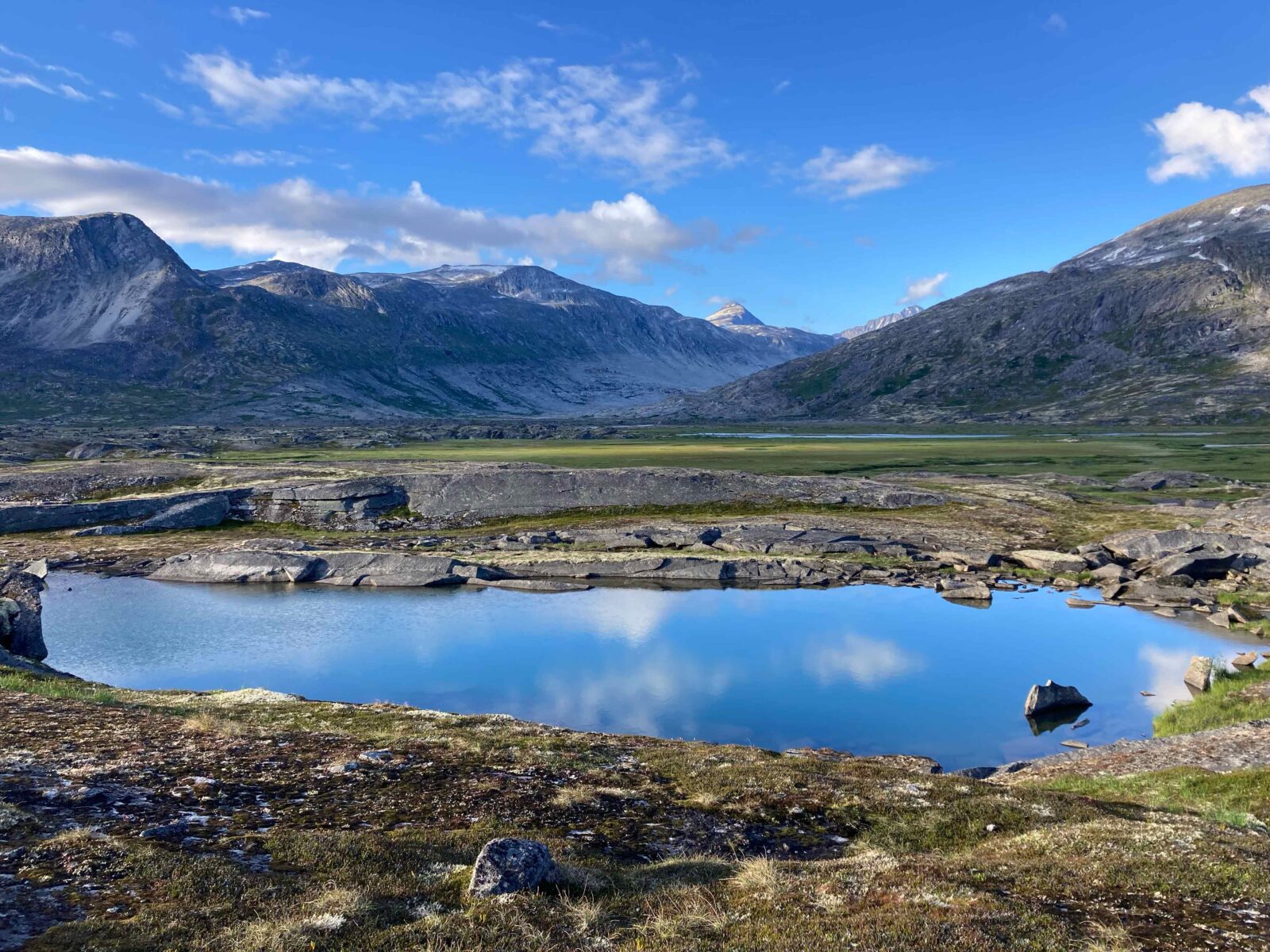
Alaska holds over one-third of all U.S. federal public lands, more than 100 million acres of state public lands, and over 40% of the nation’s freshwater resources. These landscapes sustain communities, economies and ecosystems. Through our public lands, Alaskans are the local stewards of global ecological wealth and tremendous economic opportunity.
Alaska’s Public Lands
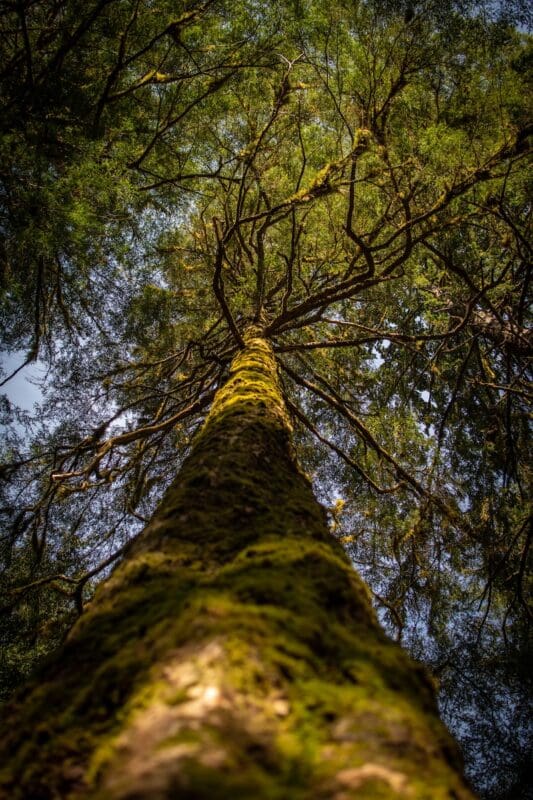
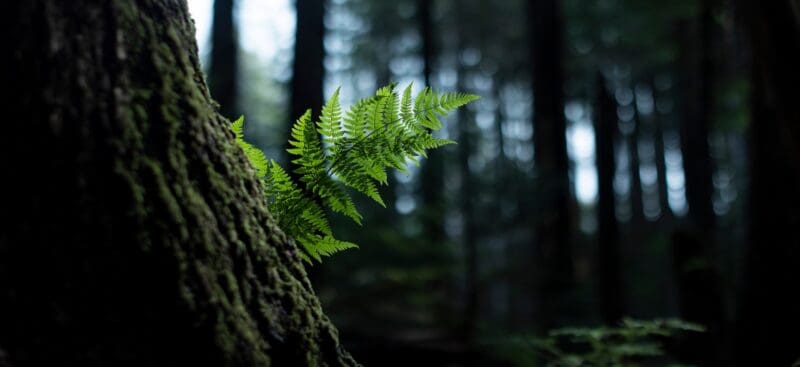
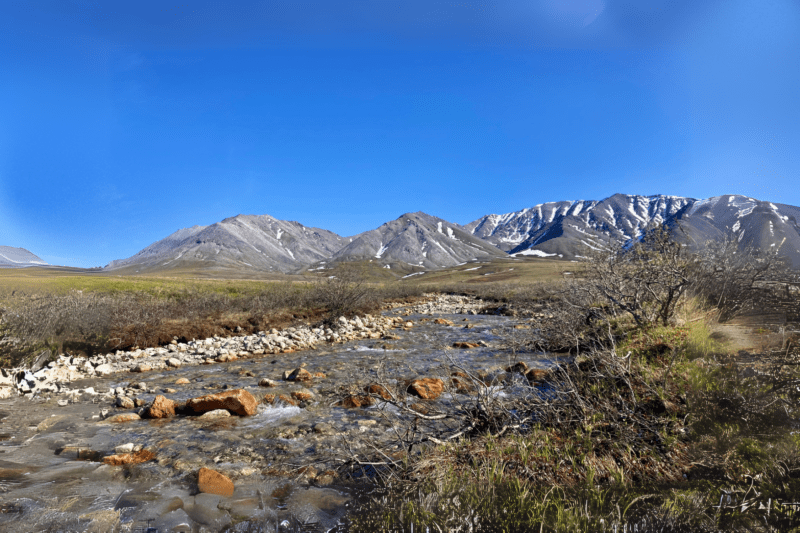
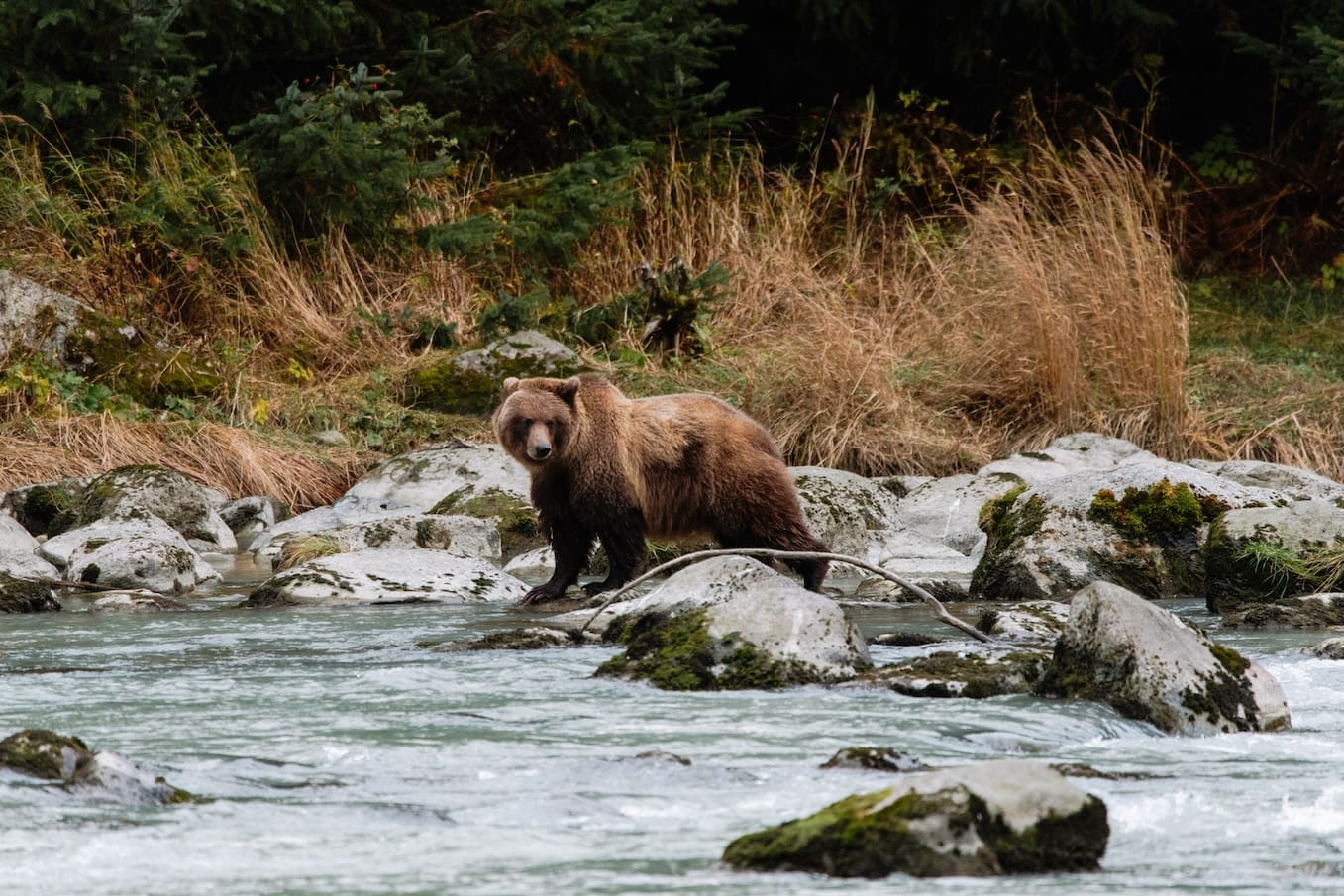
Roughly 90% of Alaska is public land, spanning forests, tundra, rivers and coastlines that sustain subsistence, support wildlife and store vast amounts of carbon. These lands also underpin a mosaic of uses for Alaska’s people and economy. From subsistence to oil and gas, outdoor recreation, mining, hunting and tourism, Alaska’s public lands face complicated demands and require thoughtful stewardship for generations ahead. Alaska’s public lands and waters support tens of thousands of jobs and generate billions in economic activity. Decisions about how they are managed carry global consequences for climate stability, biodiversity and food systems, and the prosperity and security of Alaska.
As pressure on Alaska’s public lands intensifies, the legal, regulatory and governance systems that protect these landscapes are being tested. Alaska Venture Fund is reimagining the policy and financing frameworks that will define the future of public lands in Alaska and beyond.
Key Initiatives
Public Lands and Waters Defense
Alaska’s public lands are only as protected as the processes that govern them. Alaska Venture Fund works to defend subsistence rights and strengthen mitigation measures required for development projects. We also work to ensure that public processes remain intact so that all Alaskans, including Tribes and rural communities, hunters, anglers and local businesses, can meaningfully participate in decisions that shape how these lands are used.
Indigenous Co-stewardship and Co-management
Indigenous peoples hold deep place-based knowledge of Alaska’s lands. Alaska Venture Fund resources Tribal governments and supports federal agencies to formalize co-management agreements, supports Indigenous-led monitoring and research, provides technical assistance for government-to-government consultation, and works with Tribal partners to acquire and manage lands and waters within their traditional territories. These approaches strengthen stewardship while improving outcomes for all who depend on these landscapes.
Place-based Investments
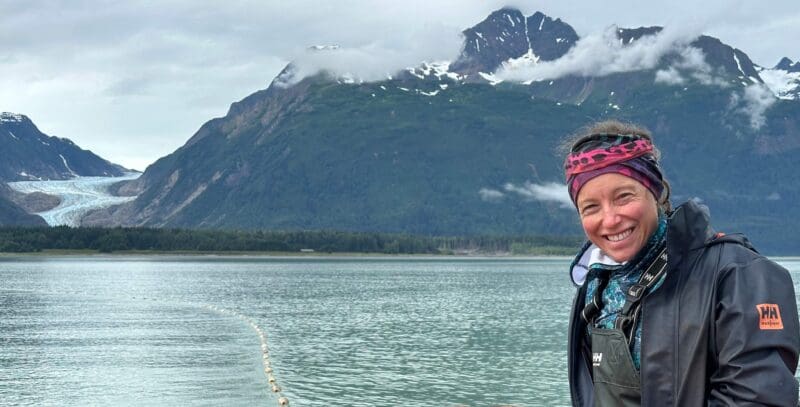
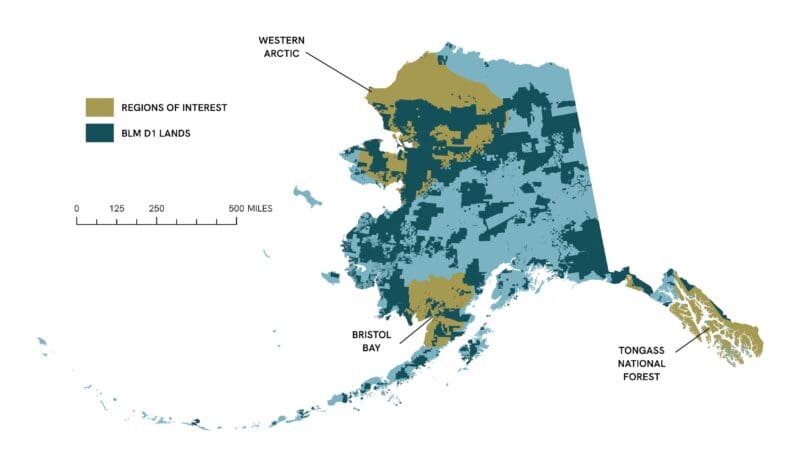
From our community-based and regional investments in the Tongass, Bristol Bay and Western Alaska, to statewide efforts like D1 Lands Defense, Alaska Venture Fund provides resources and expertise to support local leaders in shaping how lands are stewarded, defended and governed. These investments also support the long-term sustainability of key economic drivers while building locally grounded approaches that can inform public lands management across Alaska.
Public Lands and Climate
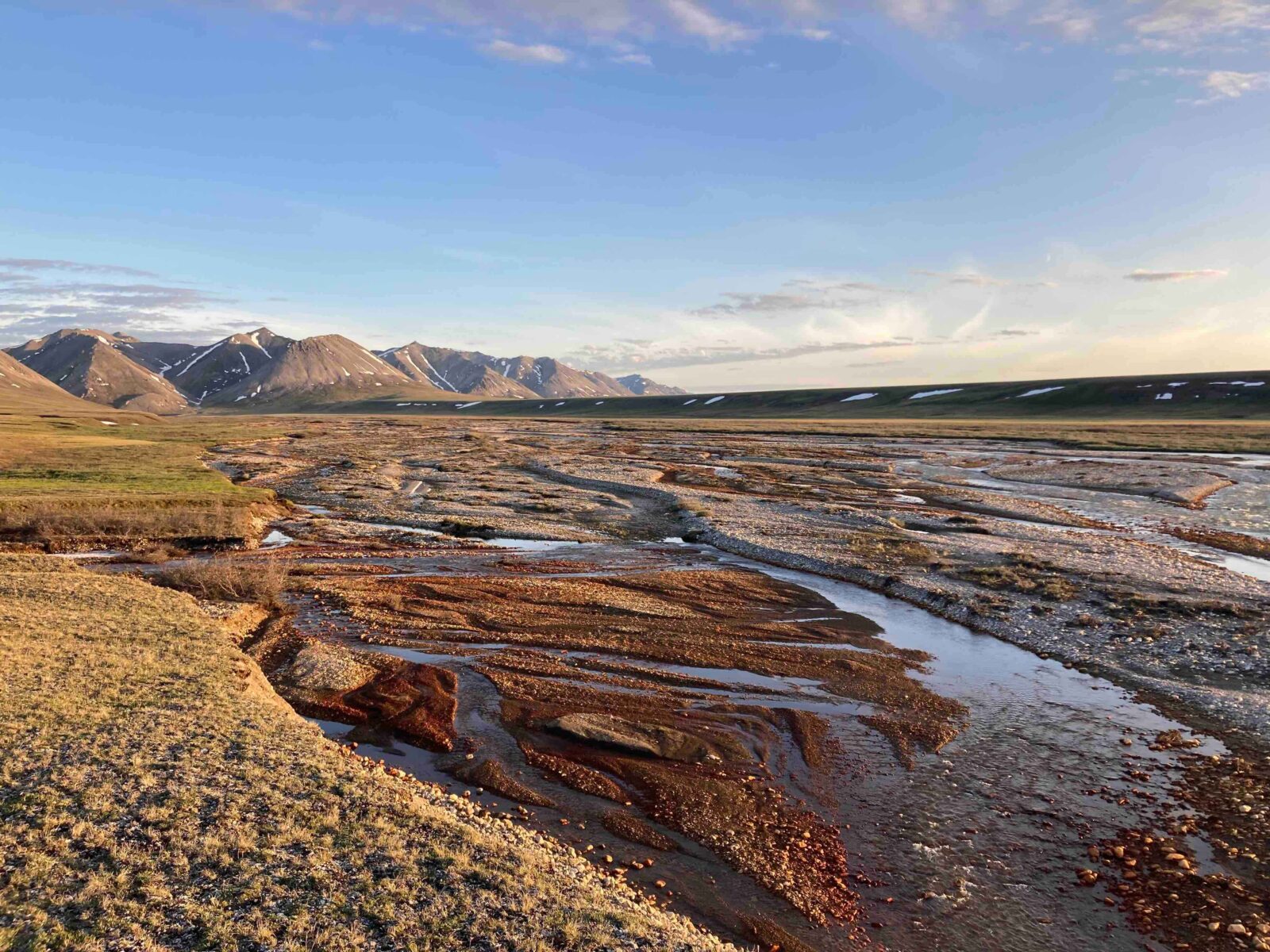
Alaska’s forests, wetlands and tundra store more than 50% of all carbon held in U.S. lands. Wildfire, permafrost thaw and drying tundra all threaten that capacity. Alaska Venture Fund is advancing new ways to realize the wealth of that resource for Alaskans as we steward it for the globe.
The Future of Public Lands
Alaska sits at the intersection of global forces: energy demand, wildlife migration, climate change and Indigenous land rights. The frameworks governing public lands haven’t kept pace. Alaska Venture Fund is actively exploring what comes next, examining emerging financial mechanisms for carbon and ecosystem services, new governance structures that center Indigenous stewardship, and policy pathways that protect subsistence, economic opportunity and long-term sustainability for Alaskans. This includes recognizing that Alaska’s public lands will continue to support a mix of uses, and ensuring those uses are guided by durable systems, strong local input and long-term stewardship.
Learn More
Resources
- Bridges to a New Era: Examining how the United States can meaningfully connect public land law to the federal government’s responsibility to promote the sovereign and cultural interests of Native Nations. Read Part 1, Part 2, and watch the video lecture.
- Cooperating Agency Handbook for Tribal Governments: A guide to how Tribes can use cooperating agency status to advocate for their interests in National Environmental Policy Act (NEPA) processes led by the Bureau of Land Management (BLM) and U.S. Forest Service. Learn more.
News
- Story: A major new Arctic oil field prompted a deal to protect caribou. Then Trump officials backed out. [Northern Journal]
- Story: On rivers and in courtrooms, Alaska battles for land inside national parks and preserves. [Northern Journal]
- Story: Target on Tongass – The wildest national forest may soon lose its protections [The Seattle Times]
- Story: AFN rallies against Safari Club International federal subsistence management proposals [KNOM Radio]