Ventures
Alaska Earth Systems Stabilization Initiative
Exploring what earth systems stabilization could mean for Alaska’s lands, people and future.
Earth systems stabilization covers the methods and technologies that might be used to cool the planet or pull carbon from the atmosphere, alongside cutting carbon emissions. As the only Arctic state in the US, Alaska sits at the leading edge of both the impacts of climate change and the proposed responses. Alaska Venture Fund is helping Alaskans understand earth systems stabilization and shape how the state responds to it.
Understanding the Conditions
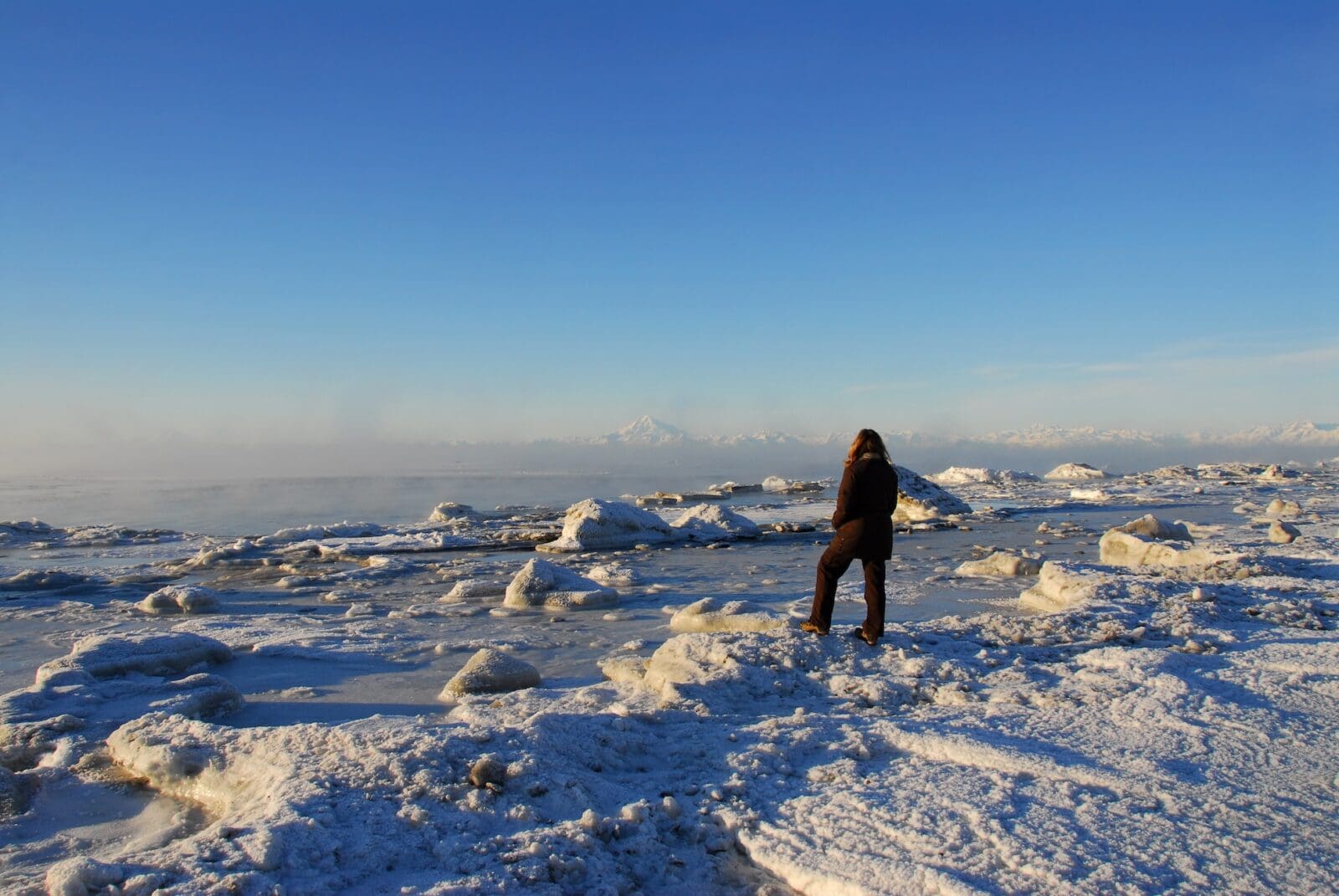
Alaska is warming up to four times faster than the global average, and its sea ice, permafrost and boreal forests are changing with it. Cutting emissions remains the most established response to climate change, but scientists and policymakers are also studying technologies that could reflect sunlight, thin clouds, thicken sea ice, slow glacier loss or remove carbon from land and oceans. Several of these bear directly on Alaska, where sea ice loss and permafrost thaw feed back into warming, and some proposed interventions require atmospheric and environmental conditions only found in the Arctic.
Field research has already reached Alaska and there is an ongoing conversation around what governance and community consultation for earth systems stabilization research should look like. Alaska Venture Fund is exploring what these technologies could mean for Alaska. Our aim is to help Alaskans shape research and engagement that reflects Alaska’s priorities and values.
Key Initiatives
Mapping the Field
Alaska Venture Fund is building an understanding of who is working on earth systems stabilization, where Alaska fits and what is happening that Alaskans need to be aware of.
Understanding the Implications
We are working to understand how these approaches intersect with Alaska’s lands, people and priorities, and what they could mean for the state’s future.
Community Engagement
We are opening conversations with Alaskans about earth systems stabilization, asking what they want to learn, how they see the risks and how they want to be consulted. Alaska Native communities are central to this work, since many of these changes impact their lands, waters and subsistence.
Governance
Some jurisdictions have banned earth systems stabilization outright, while others have taken a science-based approach that puts research and governance first. Alaska Venture Fund is asking what a durable approach for Alaska would look like.
Learn More
Resources
- The Kenai Peninsula Borough recently passed a first-of-its-kind ordinance requiring disclosure and a permit for weather modification and geoengineering. [Federation of American Scientists]
- Readout of an inaugural global risks stabilization summit in Reykjavik attended by 250+ scientists, policymakers, and communicators. [Global Risk & Stabilization Summit]
- A moderated discussion on the implications of earth systems stabilization for the Arctic. [SRM360]
- Database breaking down climate intervention technologies, including feasibility and risks. [UArctic Climate Interventions]
- A state permitting model for science and public-informed governance of geoengineering. [University of Houston Law Center]
Stay connected.
Sign up for updates on how we’re driving change, building powerful partnerships, and creating opportunities for all Alaskans. You can unsubscribe at any time.
Read our Website Privacy Policy to learn more about how we take care of your information.