As wildfire season grows longer, more severe and more unpredictable, communities across Alaska are preparing in new ways to protect lives, homes and local infrastructure. Through the Alaska Wildfire Resilience Initiative, Alaska Venture Fund is helping communities build the capacity, coordination and leadership needed to adapt – while also protecting globally significant carbon stored in Alaska’s landscapes.
The Power of Preparation: Adapting to Alaska’s Changing Wildfire Landscape
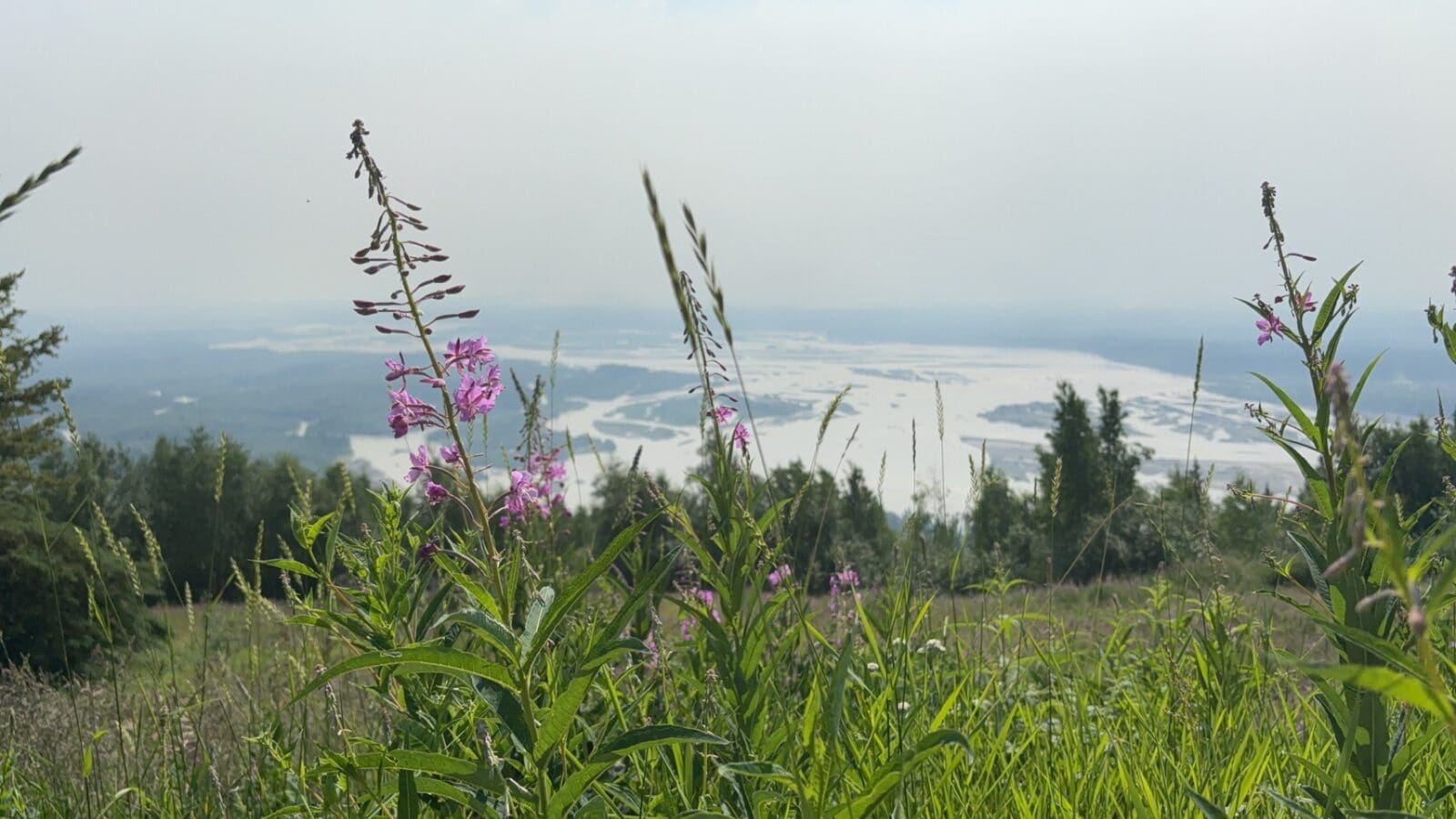
The crisp, biting November air in Fairbanks, Alaska is notably different from the smoke choked air of June. In 2025, Fairbanks experienced an unprecedented fourth year in a row with over 100 hours of reduced visibility due to wildfire smoke at the Fairbanks International Airport. Long past the last fireweed bloom signaling the end of summer, Alaska Venture Fund’s Alaska Wildfire Resilience Initiative (AWRI) was already looking ahead to the next fire season.
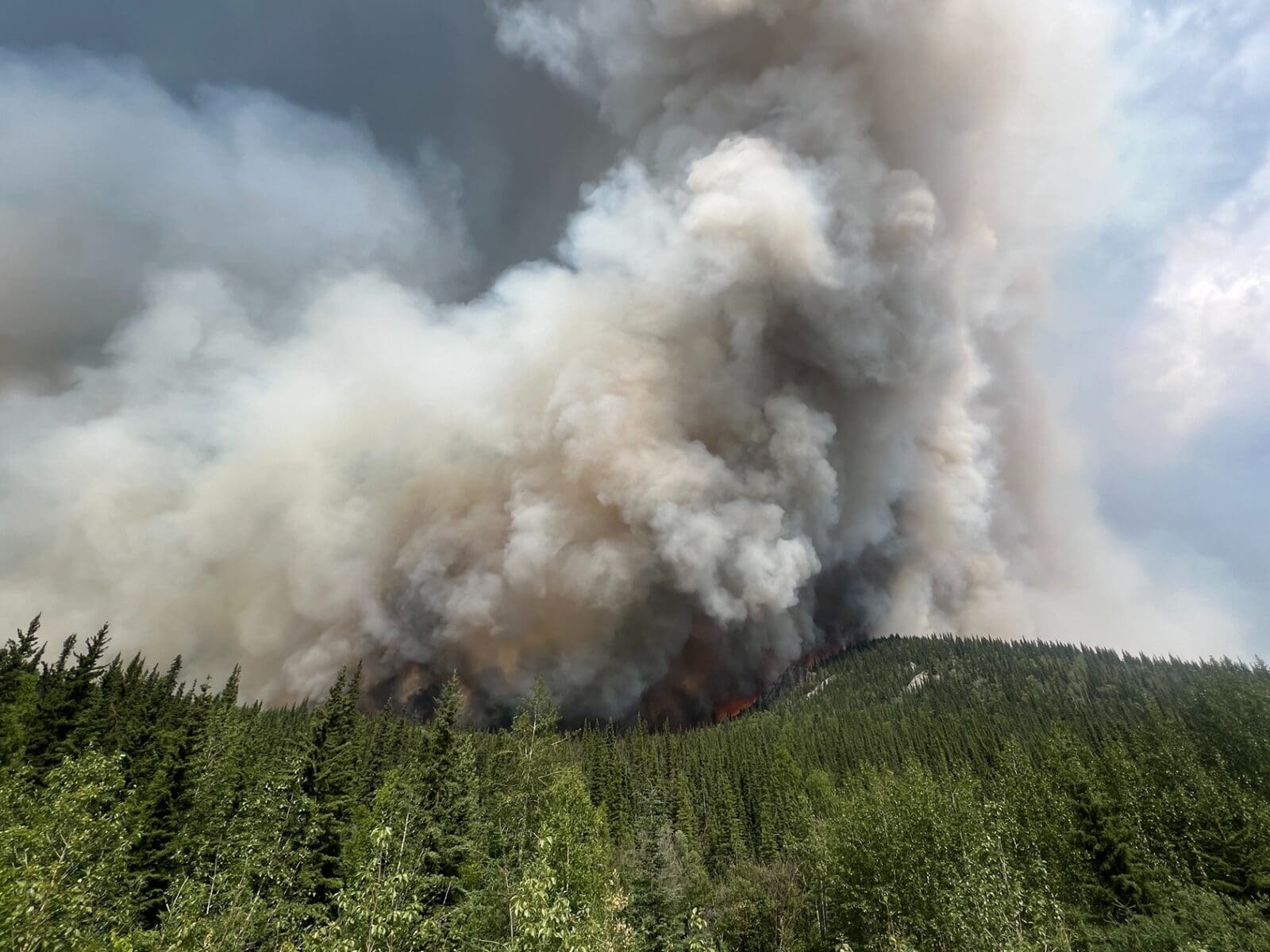
Taking advantage of wildfire-free winter months to prepare for coming fire seasons has become increasingly essential to keeping communities safe as wildfire seasons grow longer, more severe and less predictable. In 2025, wildfire season in Alaska officially began on March 17th, two weeks earlier than normal, and nearly six weeks earlier than fire seasons 20 years ago.
In November 2025, the AWRI team brought together community leaders, and fire and emergency managers from across the state — from Bristol Bay to Anchorage to Kotzebue and Fort Yukon — in Fairbanks for a Community Wildfire Protection Plan training and a large-scale wildfire evacuation exercise. By convening leaders across regions and disciplines before emergencies occur, AWRI helps communities coordinate and respond more effectively when lives and homes are at risk.
“This is probably one of the most valuable trainings I have ever done. These last two days have been just jaw-dropping.” — Trista Crass, Council of Athabascan Tribal Governments Fire Logistics
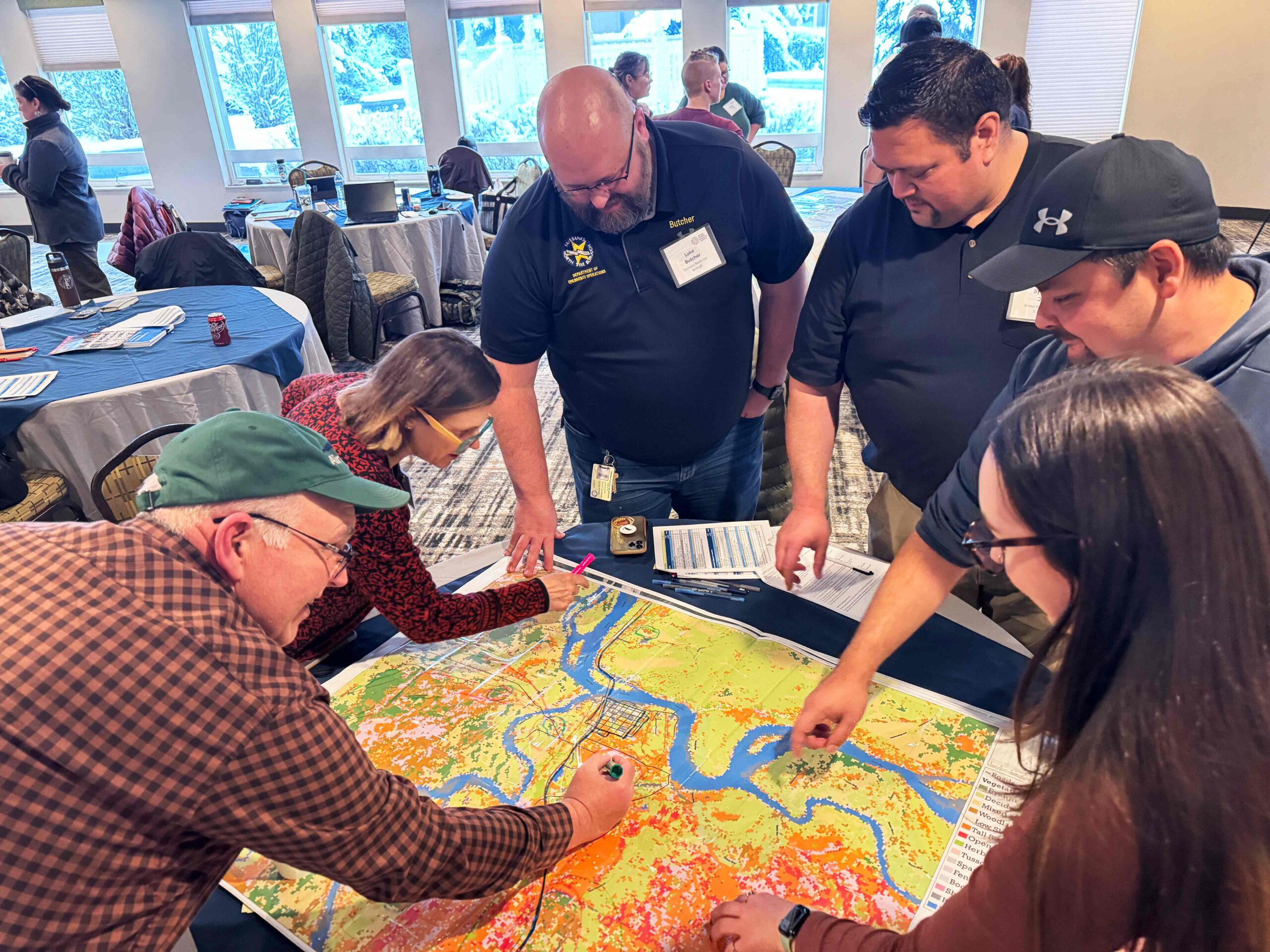
“AVF is inclusive and brings knowledgeable, relevant people together. It seems like they care about creating more educated communities no matter where they are. Truly meeting people where they are at!” — Paige Peterson, Chugachmiut Fuels Planner
Offering trainings like those in Fairbanks, drafting vital Community Wildfire Protection Plans and wildfire risk assessments tailored for communities, coordinating workforce development trainings and supporting changing wildfire management options to protect Yedoma permafrost exemplify Alaska Venture Fund’s collaborative, community-based approach to wildfire resilience.
Our coalition partners span Tribal council presidents, regional Alaska Native nonprofit associations, city administrations, university researchers and agency partners, allowing AWRI to do deep, place-based work, while also coordinating systems-level change. We call this the beaver and crane approach: investing in practical work on the ground alongside long-term coordination and vision. This ability to work locally while operating at scale uniquely positions AVF to support wildfire resilience across Alaska’s vast and diverse regions.
“In rural Alaska, fire is fire. If it’s in a home or on the land, its impact is felt profoundly in every loss of home and every unsafe emergency shelter.” — Lisa Amaniq Shield, AVF Community Wildfire Resilience & Workforce Coordinator
Rural Alaska communities experience a disproportionate number of fire fatalities. In the past 20 years, 8.7 more structural fire fatalities have occurred in rural communities than urban ones, reflecting gaps in infrastructure, response capacity and access to training. About 60% of Alaska communities do not have a registered fire department, meaning that when a fire occurs, residents are often the only line of defense. Even communities with registered fire departments frequently lack sufficient personnel, equipment and funding, leaving preparation and training up to individuals advocating for their communities.
Trainings like AWRI’s Fire Incident Response Education, Guardianship and Preparedness (FIRE GAP) focuses on in-community preparation, helping residents prepare homes, train responders, treat fuels and improve planning. These investments save lives by strengthening local capacity before wildfire occurs.
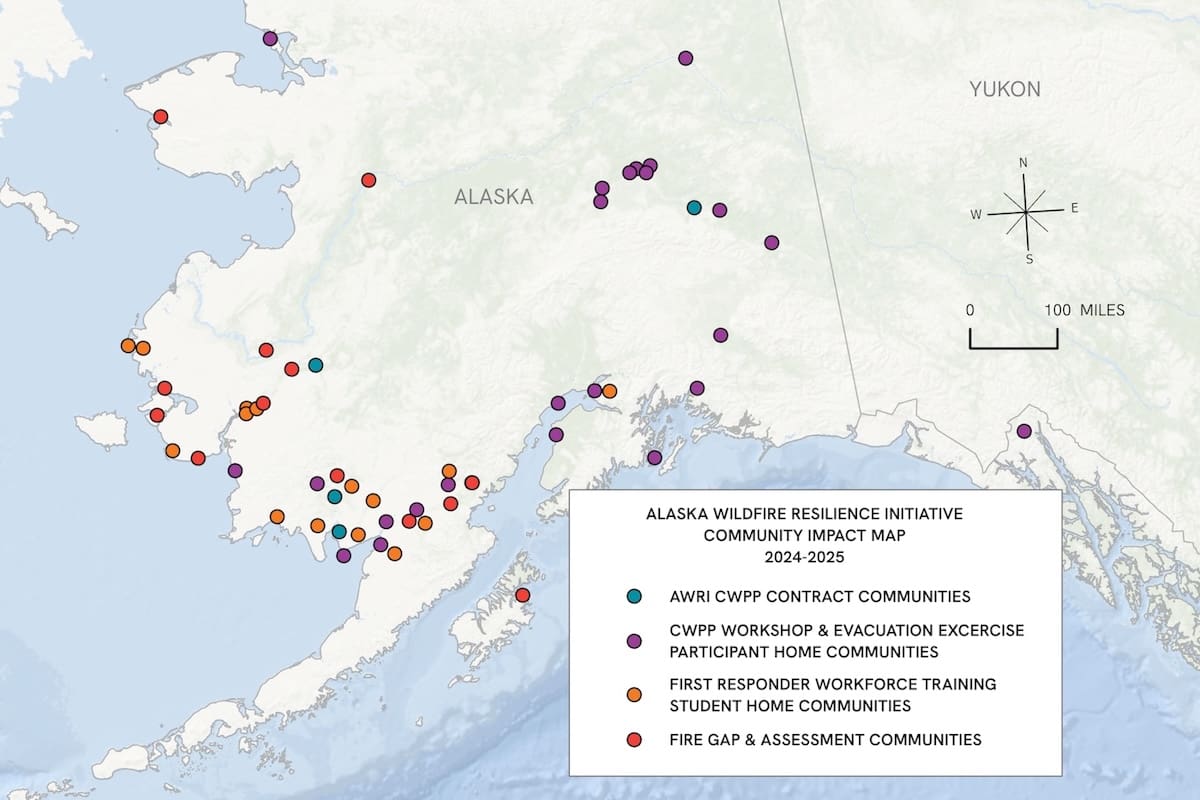
“With all my training, I will continue to utilize my knowledge to keep my village safe from wildfire. I am so grateful Jeff and Lisa came to my village of Aleknagik to help give us direction and knowledge. ” — William Chythlook, Aleknagik community member
Many rural communities are witnessing rapid changes to wildfire conditions in real time, including increasing temperatures, larger and more severe fires, accelerating permafrost loss and rising carbon emissions.
These shifts increase risk not only for homes and infrastructure, but carry broader implications for our climate and landscapes due to the globally significant carbon stored in Alaska’s soils and permafrost.
The Arctic is warming nearly four times faster than the rest of the world, and wildfires in boreal and tundra landscapes are increasing in size and intensity. Drought, changing vegetation and permafrost loss increase the likelihood of wildfires impacting communities, vulnerable landscapes and driving up carbon emissions — Alaska already produces about half of all U.S. annual wildfire emissions.
Alaska holds immense amounts of vulnerable carbon in surface duff and underlying permafrost. Yedoma permafrost — the oldest and most carbon rich permafrost — stores about 1,500 gigatons of carbon, nearly twice the amount currently in the atmosphere. Alaska is estimated to hold about 25% of the world’s Yedoma. Preventing high-severity wildfire is one of the most effective ways to keep this carbon in the ground, with global climate implications.
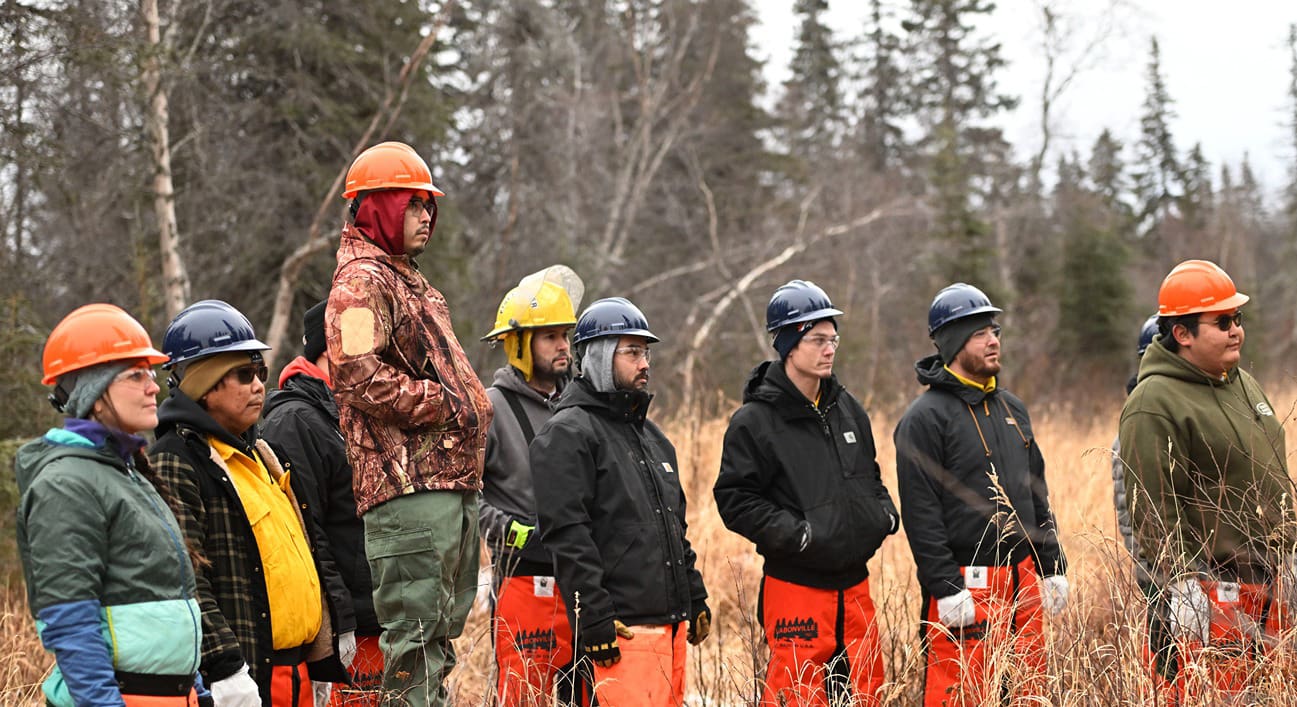
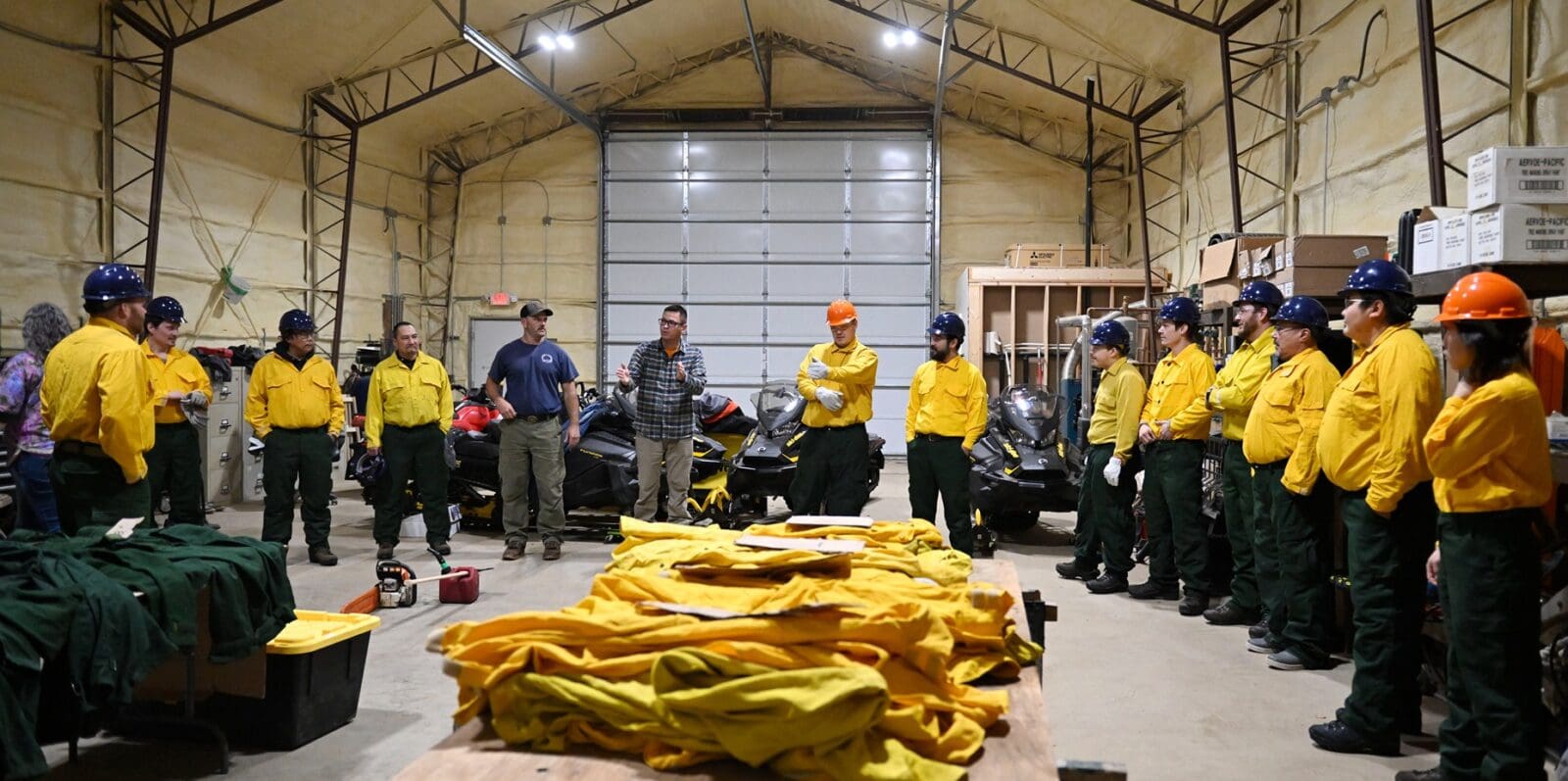
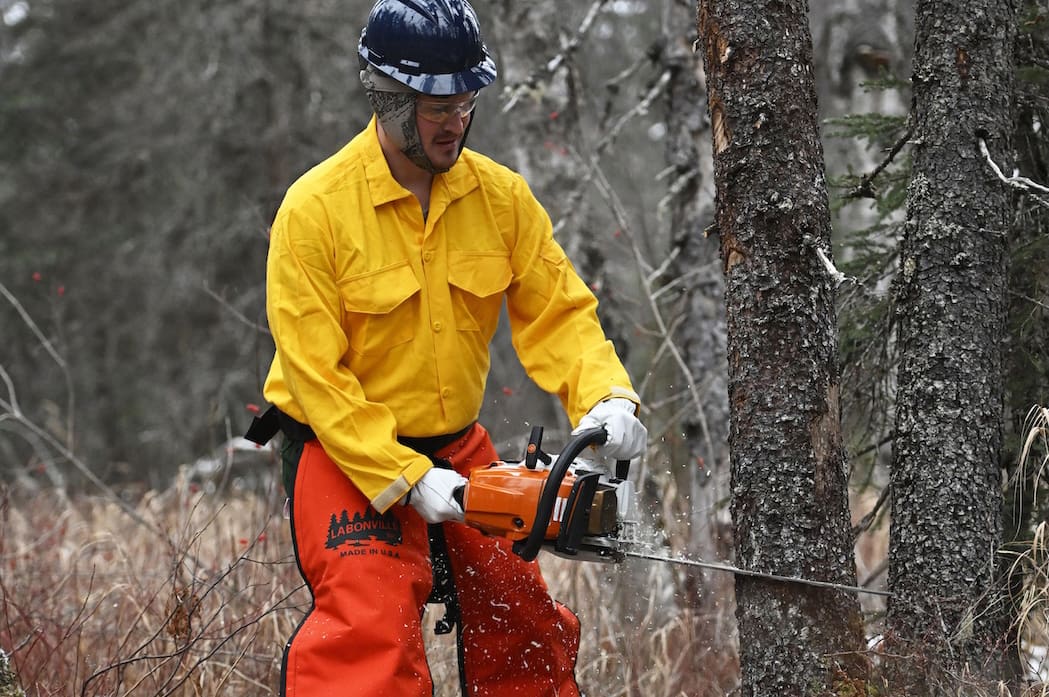
Rebuilding Alaska’s wildfire workforce is key to expanding long-term resilience both in fire preparation and response. Investing $1 in preparedness can save $13 in future wildfire loss, even before accounting for the higher costs of rebuilding in rural Alaska. In partnership with Bristol Bay Native Association and Tanana Chiefs Conference, AWRI hosted two wildfire first responder trainings in Dillingham, serving approximately 40 students from across Bristol Bay and the Yukon-Kuskokwim Delta region. These trainings strengthen local fire response and create pathways to employment in communities and on statewide fire crews.
One recent graduate, Merrill Lake from Chevak in Western Alaska, completed his Red Card training in Dillingham in May 2025 and immediately jumped on a wildfire crew for the 2025 season.
“I'm really thankful for the chainsaw class that was also attached to the Red Card training. My crew boss asked me, did you get your S-212 done? I was like, yes, I can show it to you. He was like, alright, grab a saw.” — Merrill Lake, Chugachmiut fire crew and Chevak community member
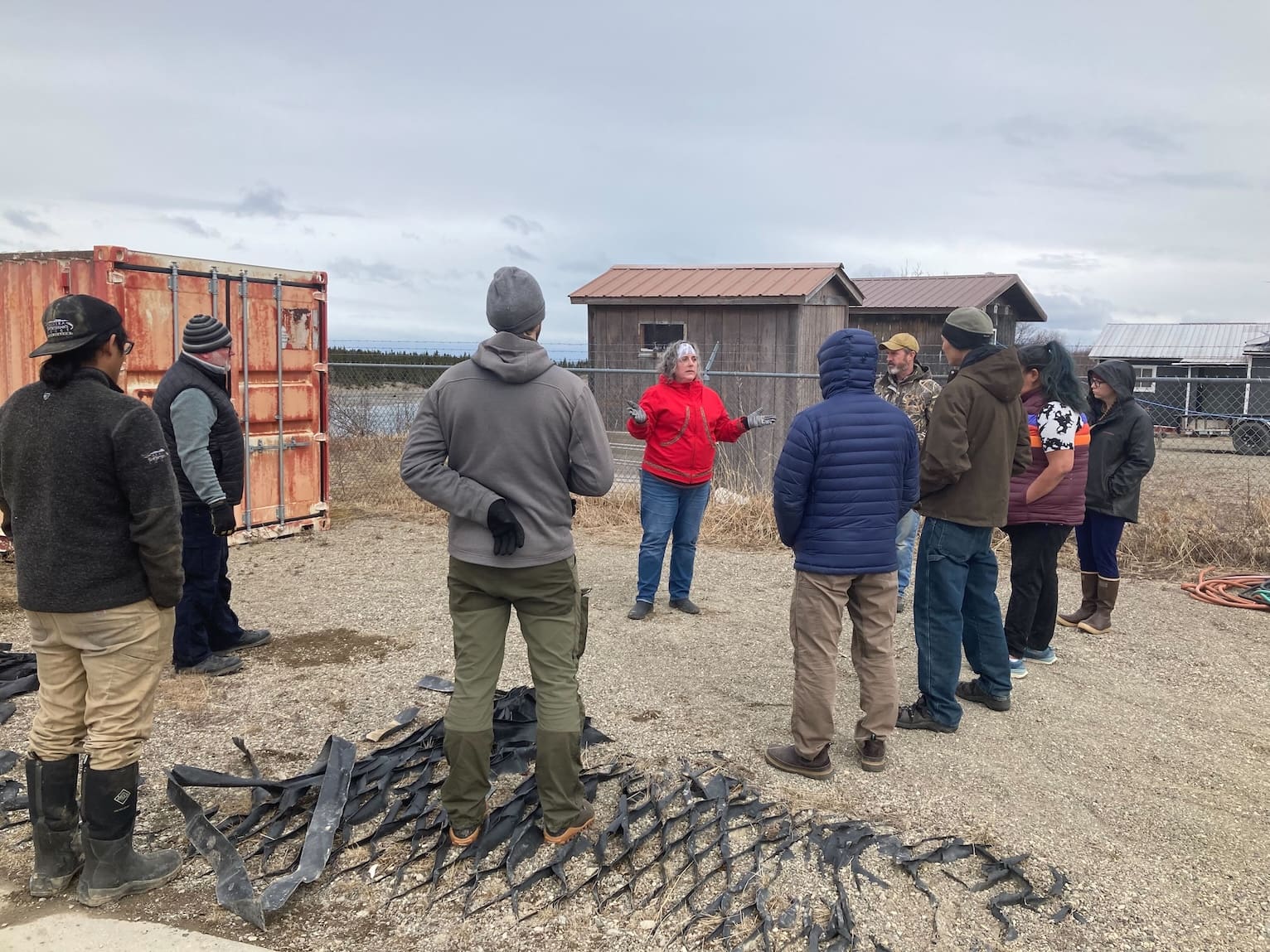
Despite long-standing disparities in funding and resources, Alaska communities have managed fire for safety and subsistence for generations. The Alaska Wildfire Resilience Initiative builds on that knowledge, connecting communities, strengthening capacity and coordinating action statewide, from Bristol Bay to the Yukon Flats, and Aniak to Delta Junction. By investing in preparedness, training and coordination now, AWRI helps communities adapt, protects irreplaceable landscapes and reduces the human and climate costs of wildfire in Alaska.
By convening Tribal organizations, community leaders, government agencies and diverse partners across the wildfire sector, AWRI is building a durable statewide coalition focused on preparing communities for the wildfire conditions of today. Sustaining this work at scale requires continued investment and commitment to long-term, community-led solutions.
Interested in learning more about the work of the Alaska Wildfire Resilience Initiative? Read more about the Initiative here and reach out to our wildfire team here.
Written by Kenni Psenak, AVF Wildfire Outreach and Communications Manager
Photos: Misty Nielsen, Tia Wiese and BLM Alaska Fire Service. Map by Colin Shanley.
Published: January 2026