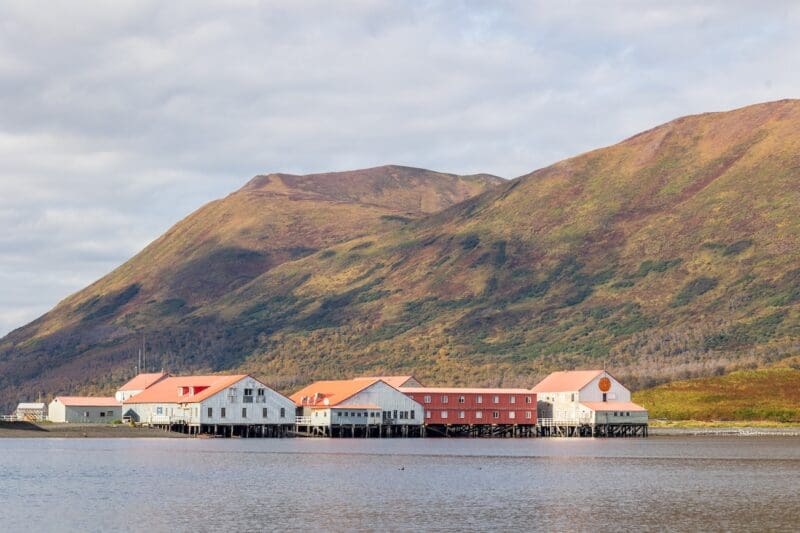
Across the Kodiak Archipelago, communities are separated by towering mountains and the vast waters of the Gulf of Alaska. Travel happens by boat or small plane, and working together requires intention. For over two decades, the Kodiak Archipelago Leadership Institute (KALI) has been working with leaders from seven of these communities—Akhiok, Karluk, Larsen Bay, Old Harbor, Ouzinkie and Port Lions, along with the hub community of Kodiak—to strengthen collaboration and advance community-driven solutions.
A Model for Regional Resilience: The Kodiak Archipelago Leadership Institute
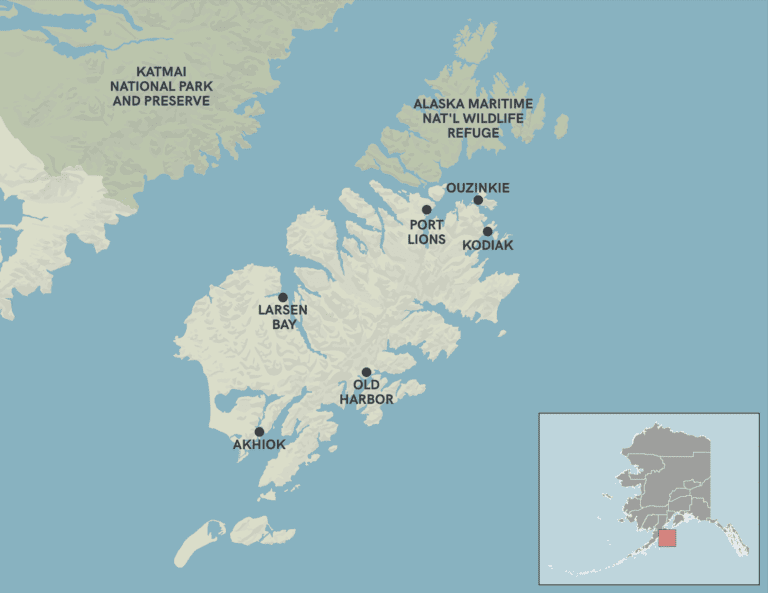
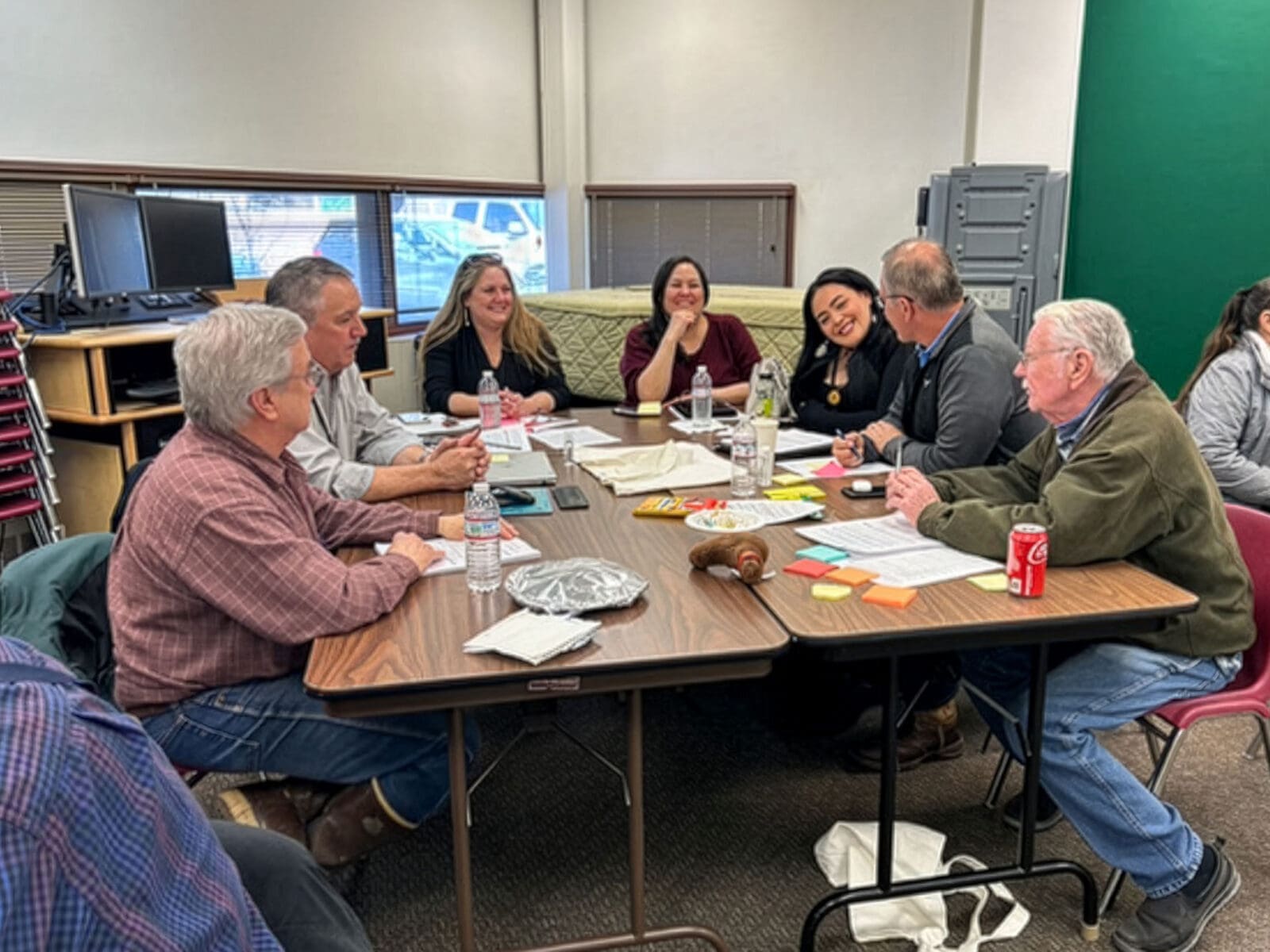
The Kodiak Archipelago Rural Regional Leadership Forum, a gathering of regional community leaders hosted by KALI known as ‘The Forum’, has become a durable platform for coordinated regional action. Through this platform, KALI has helped strengthen local food systems, improve access to federal resources for rural and Tribal communities and expand Indigenous participation in emerging industries, such as kelp mariculture. Today, KALI’s work impacts seven communities, including nine Tribes across the Archipelago and continues to shape how the region engages with economic opportunity and stewardship of its lands and waters.
In recent years, Alaska Venture Fund has partnered with KALI and provided $300,000 in flexible operating support to help strengthen and expand this regional leadership model. This funding has allowed KALI’s leadership to focus on where they can make the greatest impact in alignment with community priorities and to increase the reach of their model to neighboring Alaska regions.
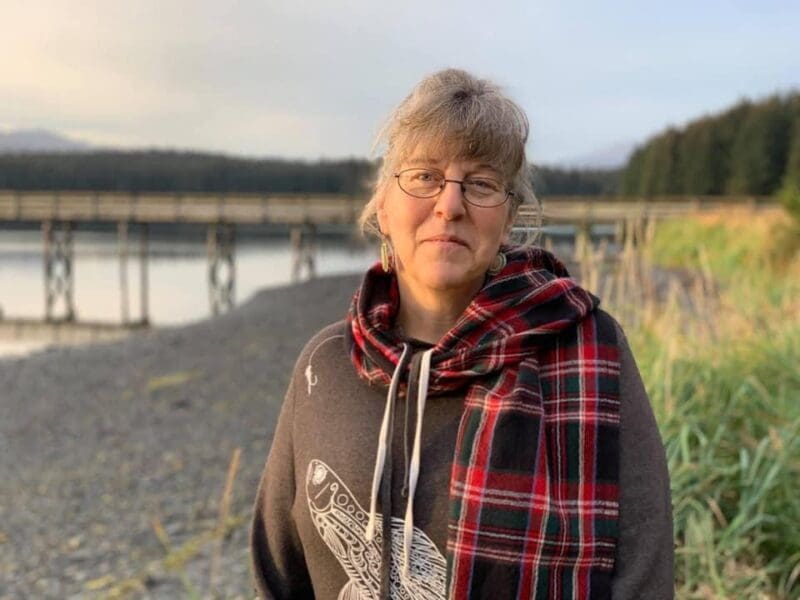
"AVF first funded us at a very critical juncture for both KALI and the Forum. This greatly accelerated our ability to enhance the Forum’s development, provide regional strategic planning in food sovereignty and develop funding to provide technical assistance and training for soil, hydroponics and kelp farming. These successes are now spreading to other communities around the state. AVF’s support jump-started KALI’s ability to not only serve its own regional communities, but also assist others." — Roberta Townsend Vennel, Former Executive Director, Kodiak Archipelago Leadership Institute
Strengthening Food Systems and Emerging Economies
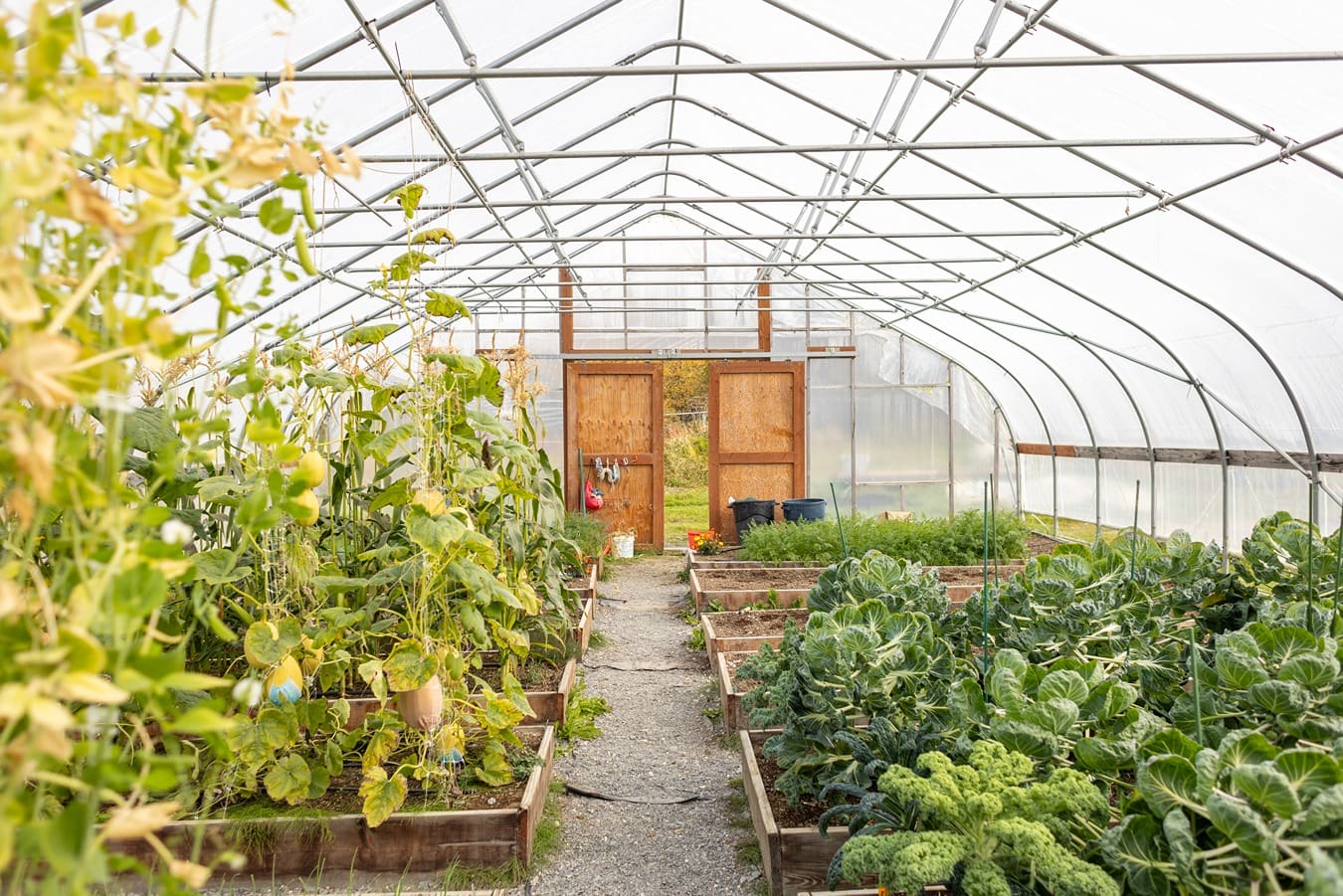
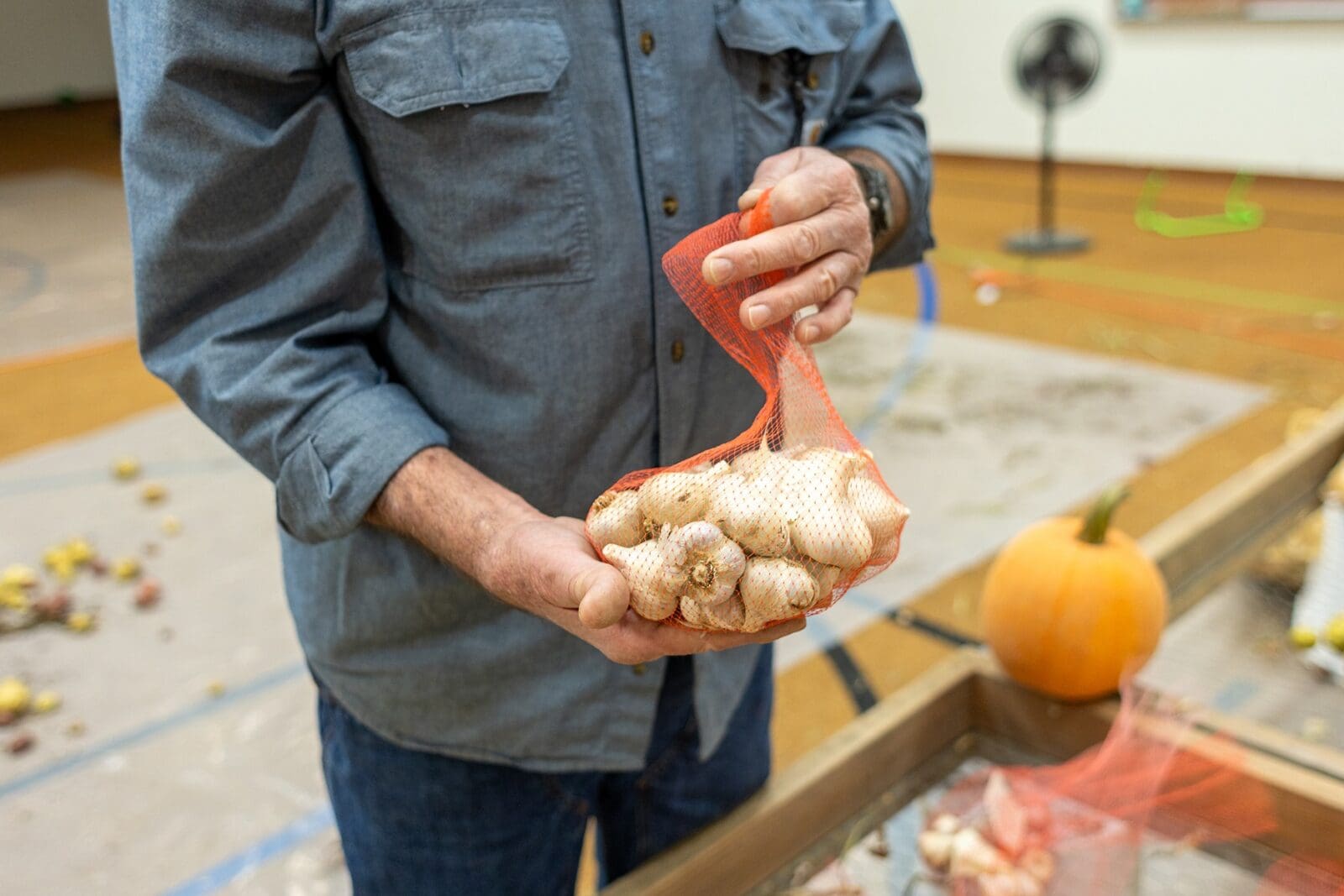
Food sovereignty and economic resilience are central to KALI’s work. Through its Forum and related initiatives, KALI helped establish the first recognized Alaska Native and rural community farming collective in the state, Alutiiq Grown. It has strengthened regional food production and distribution by providing training, supplies and equipment to establish six Alaska Native and community-owned farms.
In 2025, KALI established the Qik’rtaq Food Hub, connecting rural and Native-owned farms and fishing businesses to USDA Local Food Purchase Agreements that deliver food directly to rural and Tribal households. These agreements increase food access in remote communities while providing reliable revenue streams for local producers.
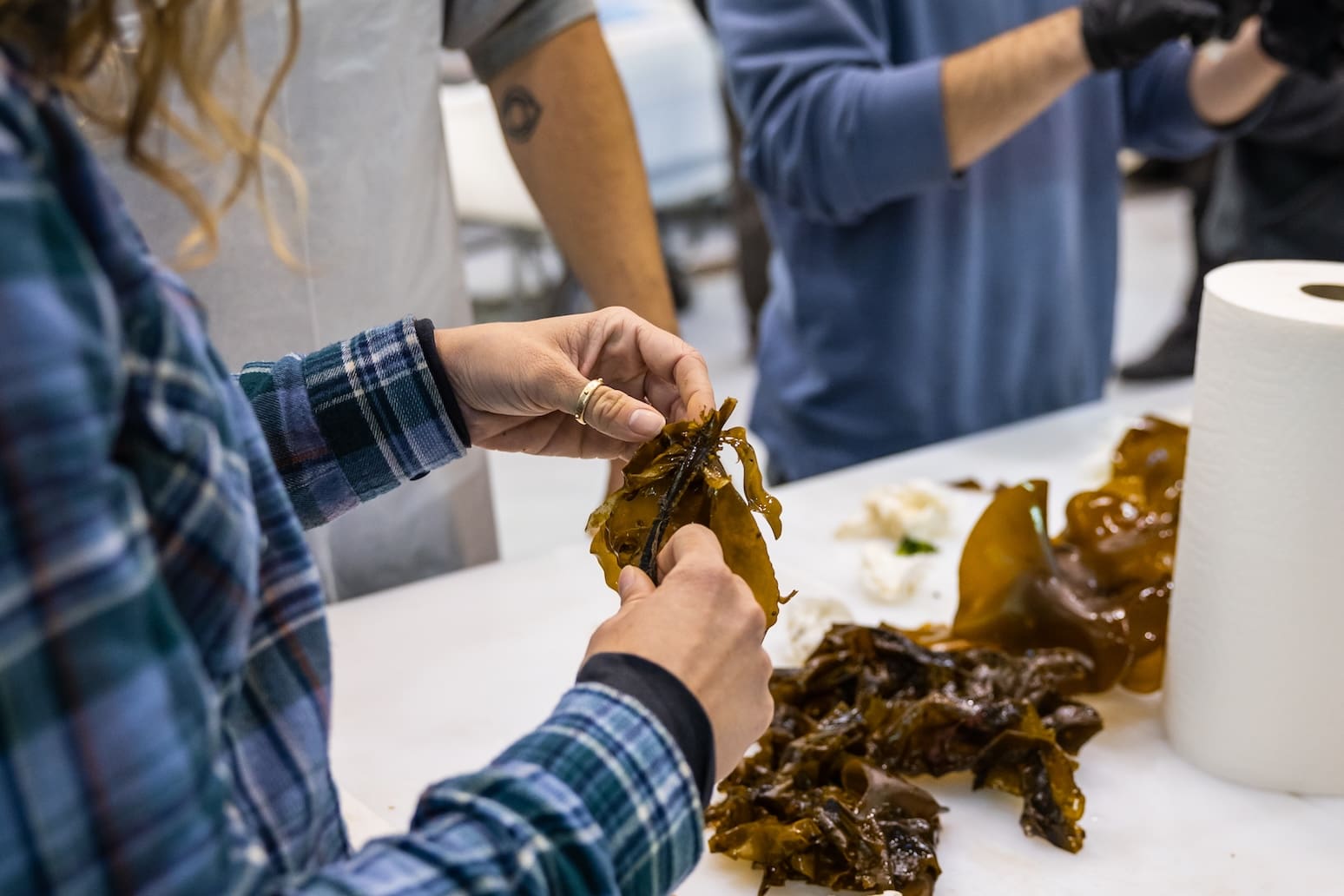
KALI has also helped position rural and Indigenous communities to participate in emerging economic sectors such as kelp mariculture. Through engagement with the federally funded Alaska Mariculture Cluster and related work, KALI has connected Tribes, communities and Alaska Native corporations to technical assistance and pilot opportunities. This ensures rural leaders are not on the sidelines of new economic pathways, but are helping shape them.
"Working with the Forum family has been very rewarding. Our small communities have found their voices, learning from one another how to navigate the political and economic processes and build sustainable futures for themselves and their families." — Dorinda Kewan, Kodiak Archipelago Leadership Institute Executive Director
Building the Capacity to Seize Opportunity
Flexible operating support has allowed KALI to strengthen the infrastructure that makes regional coordination possible. Expanded in-person Forums and facilitator trainings grounded in Indigenous governance practices, as well as strengthened communications systems and fundraising capacity, have positioned the organization to respond quickly when opportunity arises.
As capacity has grown, so has KALI’s ability to secure and manage larger funding streams. During the initial AVF grant period, KALI secured more than $1.25 million in federal and related funding. This includes a NOAA Coastal Habitat Restoration award supporting resiliency work across the traditional lands and waters of the Chugach and Koniag Alutiiq and Eyak peoples, along with USDA and EDA investments supporting food systems and mariculture.
At AVF, we believe unrestricted support is among the most valuable dollars philanthropy can provide. By trusting experienced local leaders with flexible funding, we help ensure organizations can adapt, pursue emerging opportunities and realize their missions in ways that reflect the priorities of the communities they serve.
A Model Rooted in Place
KALI’s Forum model is now informing similar regional sustainability efforts in other parts of Alaska—including the Nila Vena Sustainability Forum and the Kuicuat Sustainability Forum, both of which are housed at AVF to serve community needs at the request of local leadership. Inspired by KALI’s approach to regional planning and collaboration, AVF is partnering with KALI leadership to support these emerging forums. KALI leaders are providing mentorship, sharing foundational materials and helping communicate lessons learned from more than a decade of convening rural and Tribal communities across the region.
Alaska’s long-term resilience will depend not only on major policy shifts, but on whether rural and Indigenous communities have durable institutions capable of capturing opportunity, shaping emerging industries and directing investment toward long-term regional priorities. KALI demonstrates what becomes possible when that leadership infrastructure is strong. Through catalytic, flexible support, AVF works to strengthen this kind of locally grounded capacity at key moments of growth.
Written by Zoé Styron, Communications Director
Photos courtesy of Ellen Carty and the Kodiak Archipelago Leadership Institute
Published: March 2026