Ventures
Clean Energy Program
Advancing reliable, affordable and locally-driven clean energy solutions that strengthen Alaska’s communities and future.
Alaska Venture Fund’s clean energy program advances practical, community-led energy solutions that meet local needs and build resilience. Through finance and policy innovation, advocacy and coalition building, we are helping Alaskans lower costs, create new opportunities and move toward energy independence. Our focus: ensuring reliable, affordable power for all Alaskans.
Powering Alaska’s Future – Local Solutions For National Energy Security
Alaska stands at a crossroads—home to some of the world’s richest renewable resources, yet facing some of the highest energy costs in the nation. More than 200 rural and predominantly Indigenous communities still rely on costly imported diesel, while the Railbelt grid, which serves 70% of Alaskans, is running short of natural gas and preparing to import new fuel supplies. Together, these challenges underscore both the urgency and the opportunity of Alaska’s energy landscape.
With vast untapped renewable resources, decades of energy expertise and communities accustomed to solving problems in tough conditions, Alaska can help lead America’s path to energy independence. The state’s mix of scale, experience and challenging environments makes it a natural proving ground for practical new technologies and locally driven solutions.
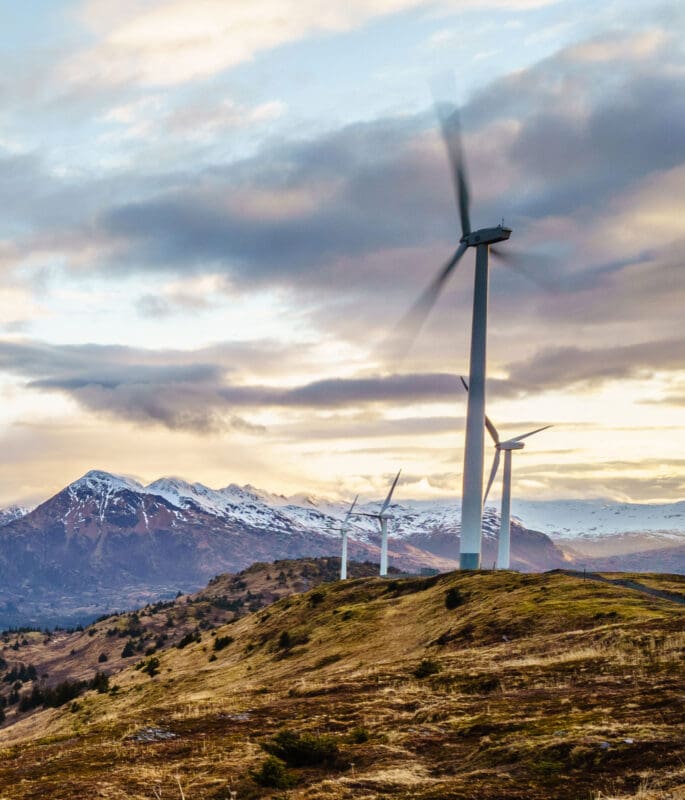
From Kodiak and Juneau’s nearly 100% renewable grids to pioneering microgrids in Western Alaska, Alaskans are already showing what reliable, affordable, and sustainable energy can look like.
Our Approach
Policy & Leadership
Supporting legislators, utilities and other key decision-makers in shaping pragmatic/sustainable, Alaska-focused energy policy.
Public Engagement
Amplifying and growing public support for clean energy in Alaska, communicating the benefits of developing local energy resources, and conducting regular public interest research to better understand statewide attitudes.
Breaking Down Barriers
Identifying critical areas of need and directing strategic investment for high-impact results.
Partnership & Alignment
Convening diverse stakeholders to build consensus and drive collaborative efforts.
Rural Energy & Innovation
Championing community-first energy systems, addressing financing barriers, and connecting local innovation with statewide policy and market solutions to scale equitable clean energy progress.
Community Resilience
Integrating energy reliability with wildfire preparedness, emergency planning, and local resilience hubs.
Key Initiatives
Bridge Funding
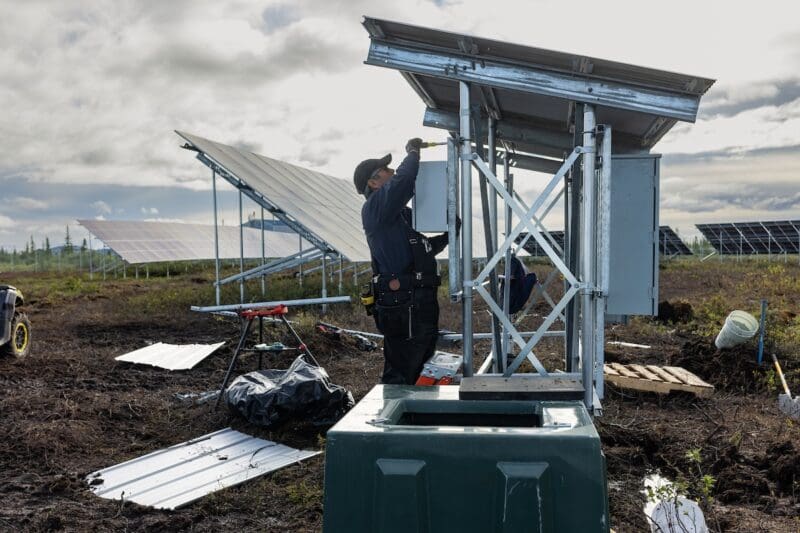
Many small communities struggle to implement federal reimbursable grants due to cash-flow gaps. Alaska Venture Fund has provided multiple rounds of bridge financing to four Western Alaska communities—leveraging more than $2.6 million for renewable microgrid projects. These small advances unlocked federal grants, reduced diesel dependence and proved that timely support can drive big energy progress. Learn more here.
New Energy Alaska
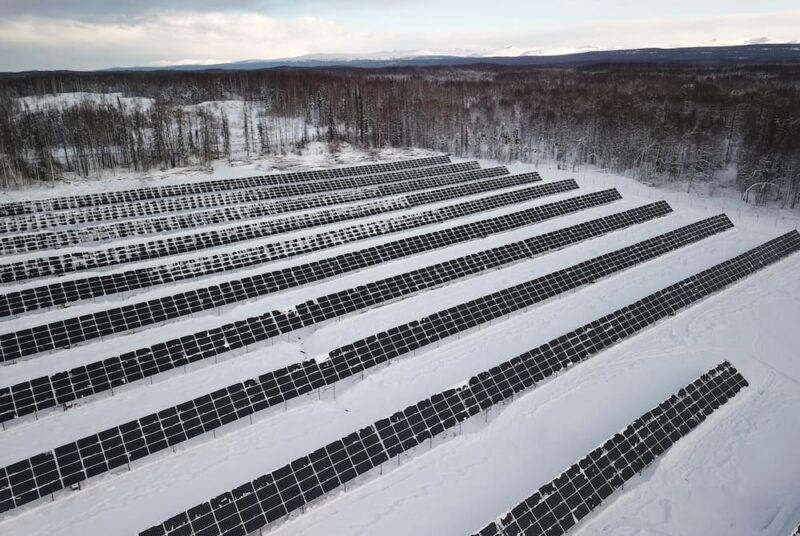
AVF supports and hosts New Energy Alaska, a statewide campaign that amplifies and grows support for clean energy. Through public engagement, storytelling and regular opinion polling, the campaign keeps clean energy front of mind for Alaskans, deepens understanding of its diverse benefits and guides data-driven strategies for policy and partnership across the state.

Utility Support Collaborative
AVF supports the Lake and Peninsula Utility Support Collaborative in Bristol Bay—a shared services model improving reliability, workforce capacity, and renewable integration across 12 rural utilities. By standardizing systems, reducing costs, and training local energy managers, the collaborative demonstrates how rural utilities can thrive through cooperation and shared expertise.

Wildfire and Energy Resilience
Energy reliability is a resilience issue. Through our Wildfire Resilience Initiative, AVF helps protect grid assets, critical infrastructure, and emergency power systems. Coordinated fuel breaks, vegetation management, and resilience hubs reduce wildfire risk while supporting the clean energy transition across vulnerable regions.